What happens when a five-person indie team with a $50,000 grant can suddenly build animated historical drama at studio scale? Supported by the Doha Film Institute, I have been directing Al-Khwarizmi: Father of Algebra & the Algorithm, a 30-episode AI-animated docudrama set in ninth-century Baghdad.
The series follows Muhammad ibn Musa al-Khwarizmi, the ninth-century polymath whose treatises at the Abbasid House of Wisdom gave the modern world both the word algebra (from al-jabr) and the word algorithm (from the Latinization of his name). Every click, search query, and generative prompt today runs on algorithmic logic that traces part of its lineage back to al-Khwarizmi's work in Baghdad. On Episode 155 of the No Such Thing podcast with host Marc Lesser, I broke down the visual aesthetic, historical rules, and six-stage generative AI pipeline behind the project.
Poetic Noir Realism: 30 Vertical Episodes and a 45-Minute Film
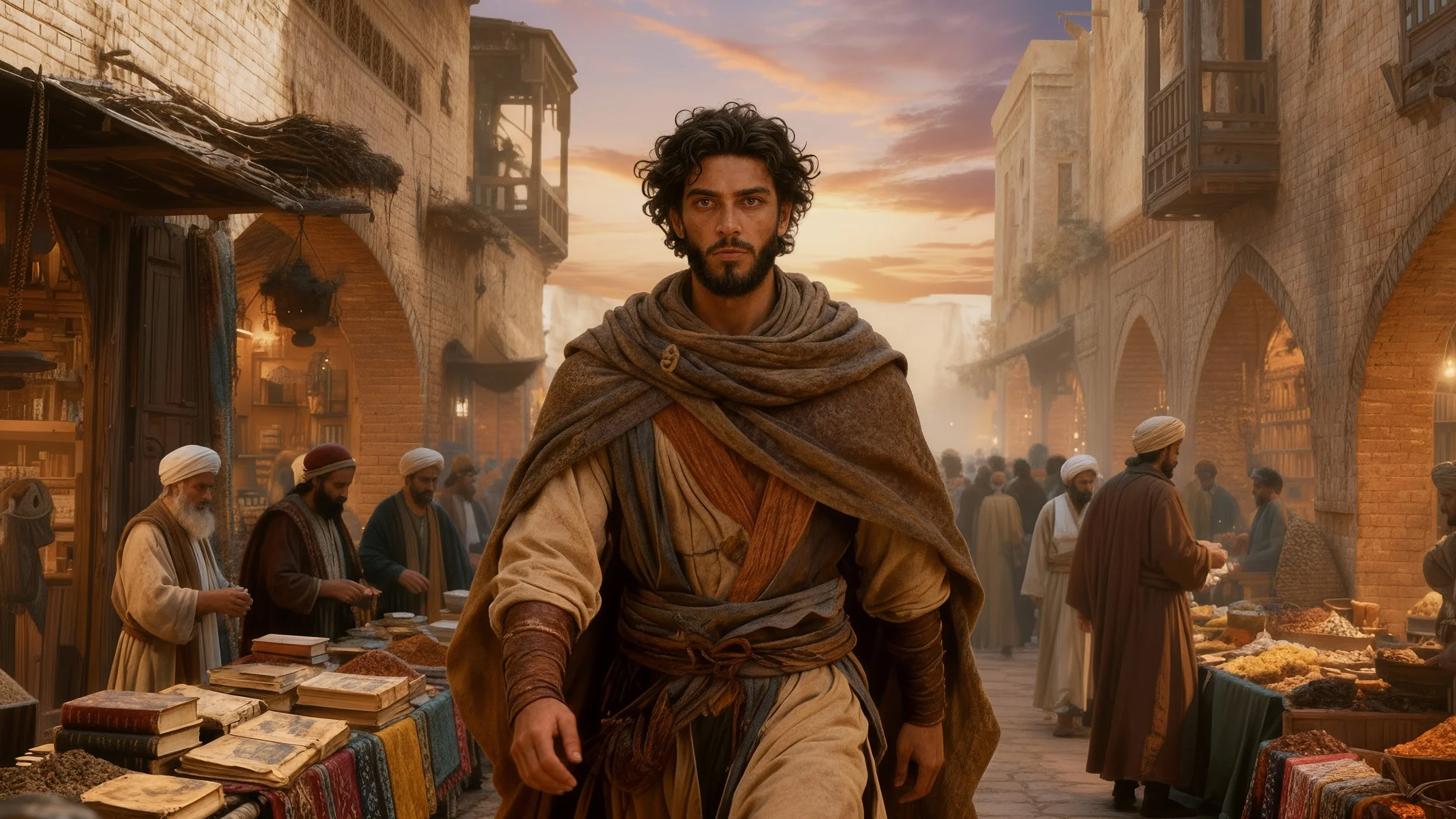
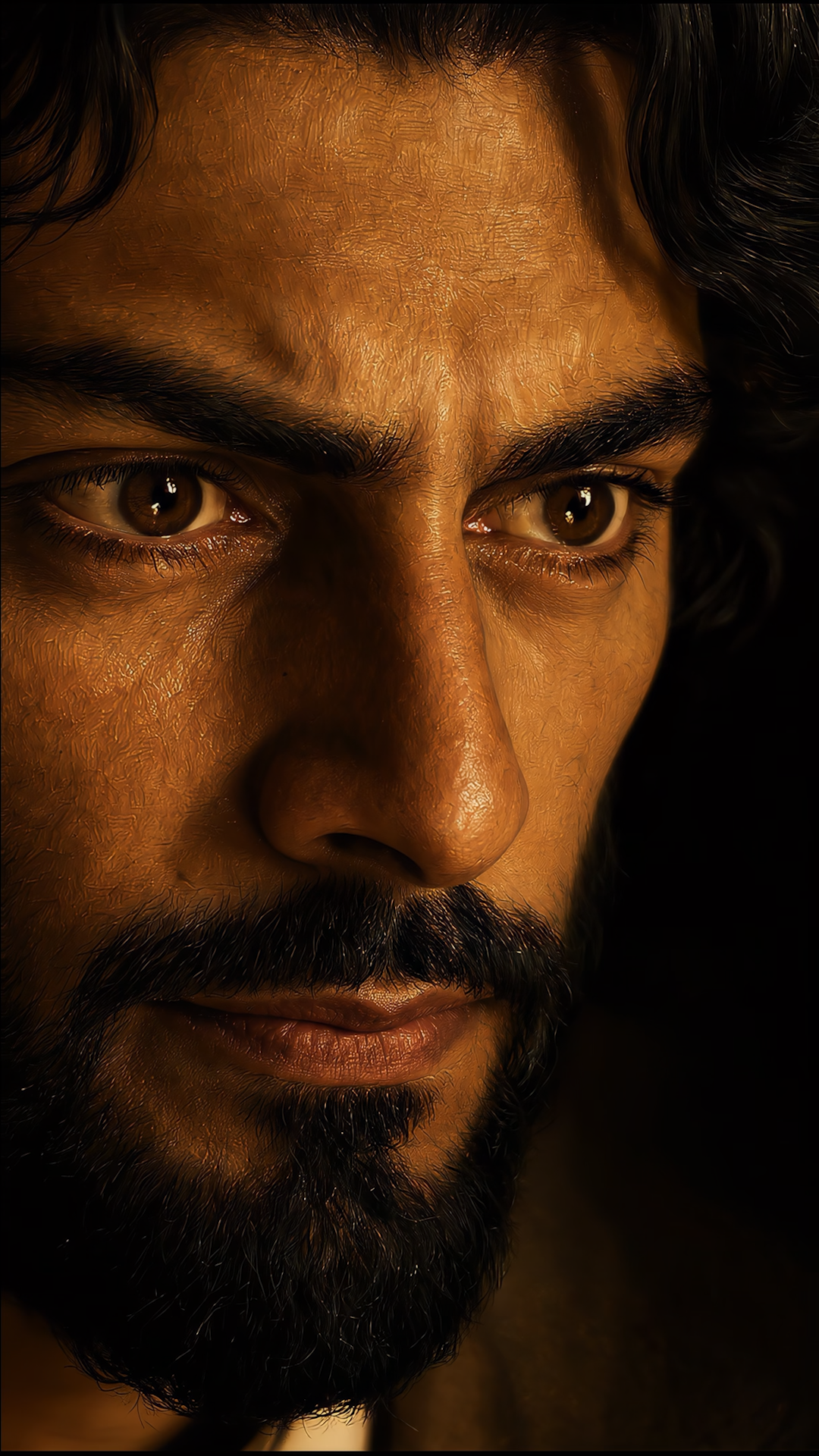
Traditional long-form television documentaries often struggle to reach younger viewers whose media habits form on vertical mobile feeds. Rather than fighting that medium, Al-Khwarizmi: Father of Algebra & the Algorithm uses a dual-format architecture: 30 vertical episodes at 90 seconds per episode for YouTube Shorts, TikTok, and Instagram Reels, alongside a continuous 45-minute widescreen cut. Visually, we developed a look we call "Poetic Noir Realism," using deep shadows, oil-lamp chiaroscuro lighting, and atmospheric mystery to bring ninth-century Baghdad to life.
Dramatization Without Anachronism: The History Is Locked
Historical dramatization always walks a narrow line between cinematic tension and factual discipline. While developing the History Adventures digital textbook series, I watched mainstream historical series take wild liberties with chronology. Netflix's Roman Empire, for instance, placed a young Julius Caesar on the battlefield for the defeat of Spartacus, an event for which there is no historical evidence.
For Al-Khwarizmi: Father of Algebra & the Algorithm, the rule is strict: we dramatize scenes to create emotional stakes, but the history is locked. Working closely with historians Jorg Matthias Determann and Amna Mohsin, our team vetted every biographical beat, astronomical instrument, and Abbasid architectural detail before generating keyframes. Where historical records leave gaps in al-Khwarizmi's personal life, composite dramatic characters must still reflect documented ninth-century legal, mathematical, and courtly realities.
Inside the Six-Stage AI Animation Pipeline
Producing 45 minutes of period-accurate animation once required a multi-million-dollar studio department. Here is the six-stage production stack that makes this series possible with a lean five-person creative team:
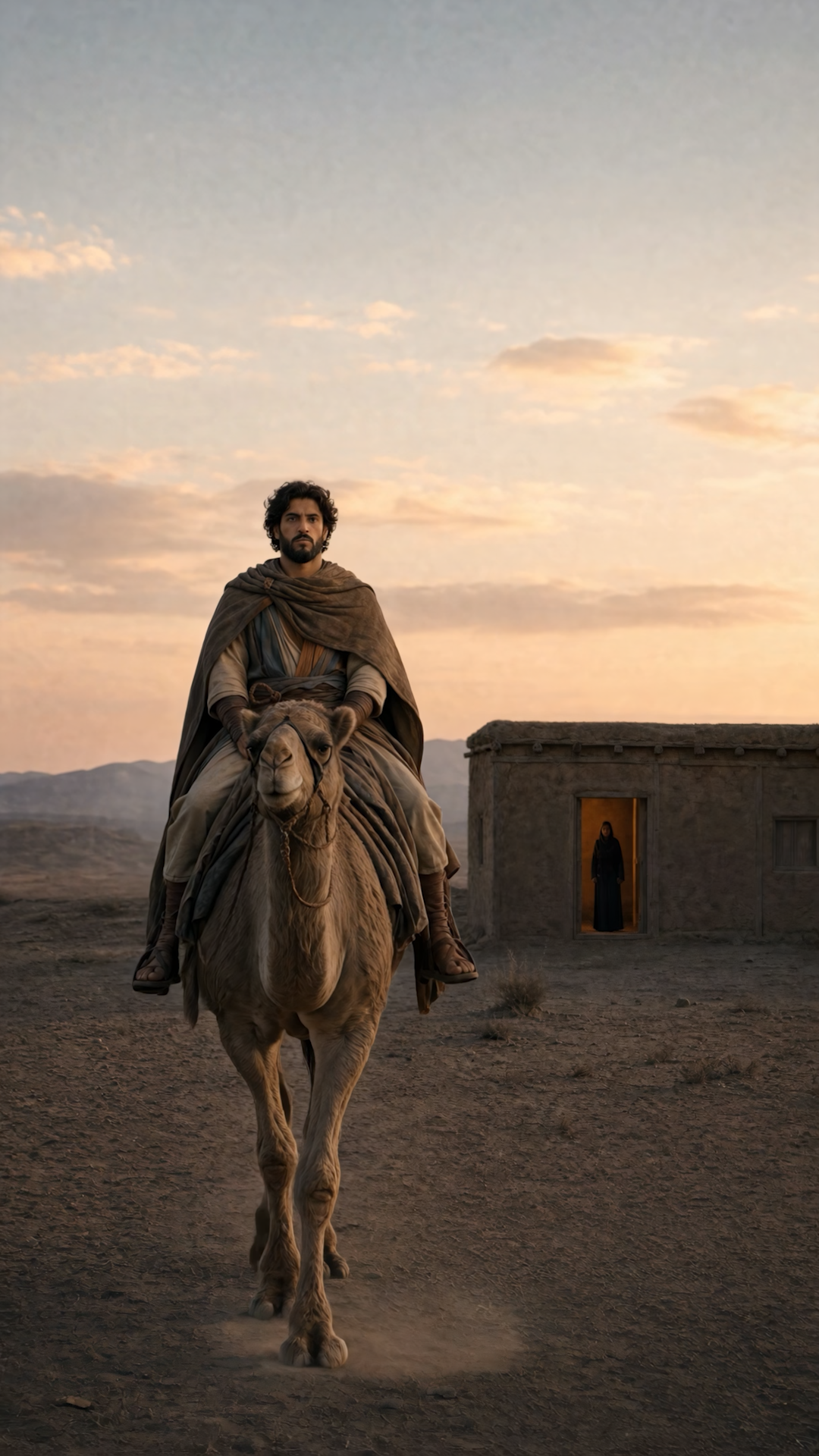
1. Visual Development and Keyframes (Midjourney): Every scene begins with locked character sheets and architectural references in Midjourney, establishing consistent ninth-century Abbasid textiles, oil-lamp chiaroscuro lighting, and facial continuity.
2. Natural-Language Frame Editing (Nano Banana and GPT Image 2): Instead of spending hours masking layers by hand in Photoshop, we use conversational image editing models to adjust props, brass astrolabes, hand gestures, and camera angles while preserving character identity.
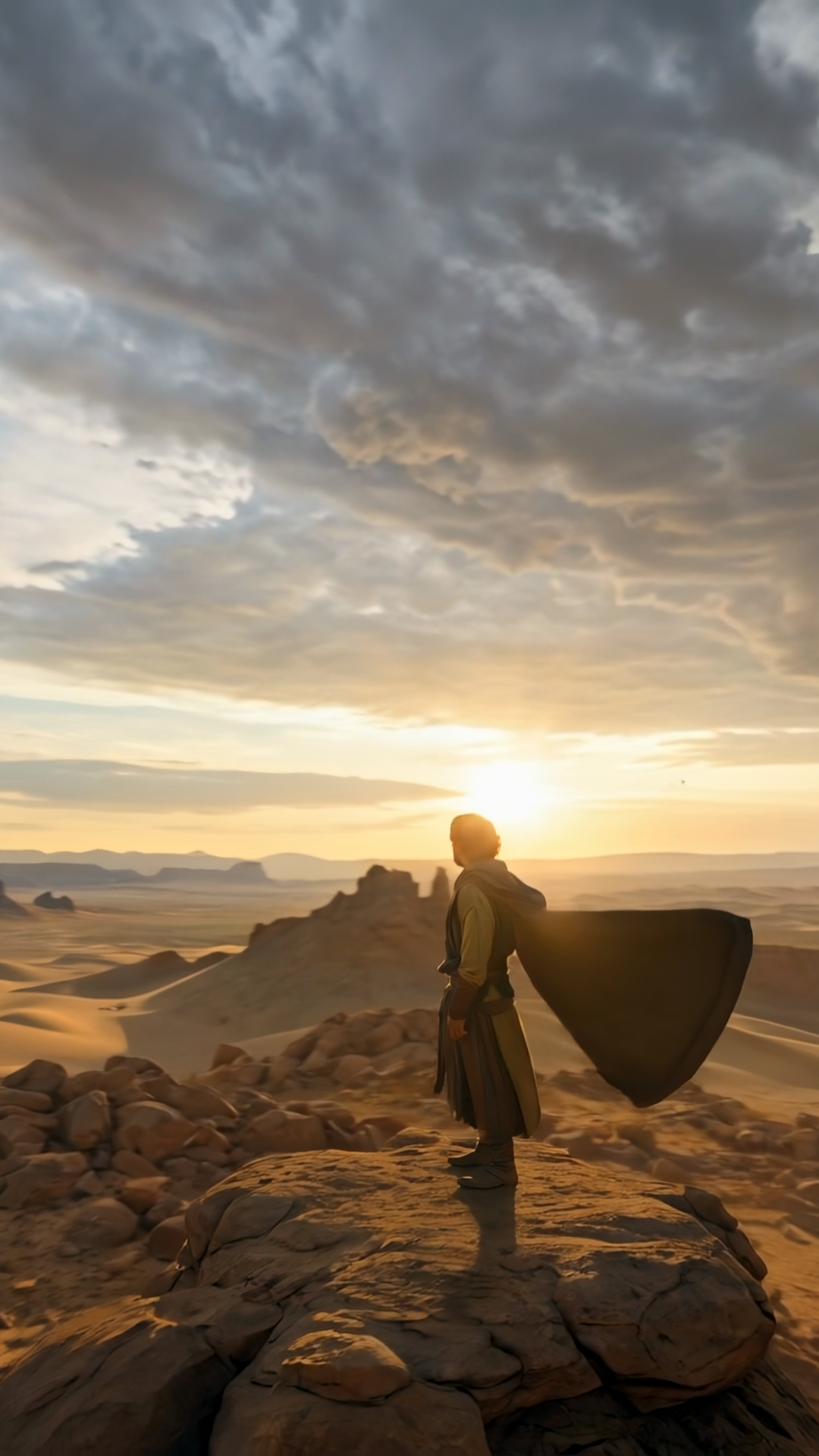
3. Non-Dialogue Motion (Kling 3.0 and Seedance 2.0): For atmospheric shots, desert travel sequences, and silent character reactions, keyframes move into Kling 3.0 and Seedance 2.0 for fluid cinematic camera movement.
4. Sync-Sound Lip Performance (Google Veo 3): For dramatic dialogue beats, Google Veo 3 generates synchronized facial micro-expressions and lip movement locked to spoken performance.
5. Automated ADR and Voice Acting (ElevenLabs Voice-to-Voice): Rather than typing flat text-to-speech prompts, human actors perform every line into a microphone to capture authentic cadence, breath, and emotion. ElevenLabs Voice-to-Voice then maps those vocal performances onto distinct character voices across the cast.
6. Traditional Post-Production (Adobe Premiere Pro and Epidemic Sound): AI does not edit the show. Every shot is cut by hand in Premiere Pro, using speed ramps, reverse motion, color grading, custom foley, and orchestral stems from Epidemic Sound.
The Don Draper Rule and the Stan Lee / Jack Kirby Method
Working with generative models resembles the classic Marvel method between Stan Lee and Jack Kirby, or Don Draper reviewing pitches in a writers' room: bring me 20 ideas so I can reject 19 of them. If a prompt generates 20 visual takes of the House of Wisdom courtyard, 19 go into the trash because the archway geometry drifts or the lighting feels synthetic. Even more interesting, when a generated shot surprises you with an unexpected camera movement, you can rewrite the scene around that visual discovery. When technical generation becomes fast, historical rigor and visual taste become the entire job.
Listen to the full conversation: Hear the complete 75-minute breakdown with Marc Lesser on Episode 155 of the No Such Thing podcast ("A New Era for Learning Media") on Acast, and explore the production stills and episodes on the Al-Khwarizmi: Father of Algebra & the Algorithm project page.
Spencer Striker, PhD, is a digital learning designer, producer, and professor of digital media design creating interactive history, game-based learning, and AI-animated storytelling.
